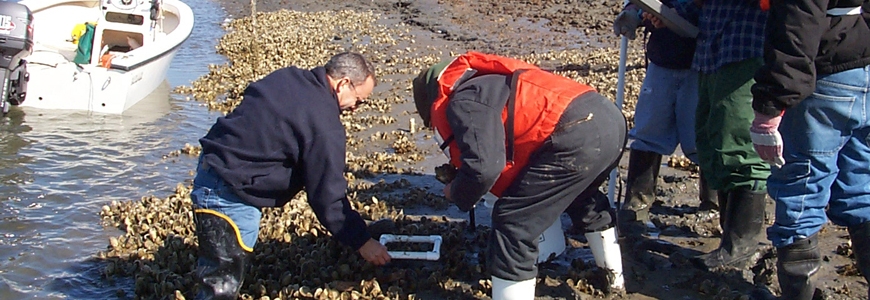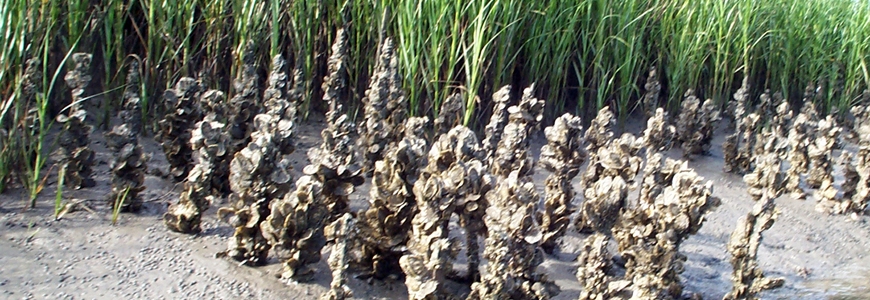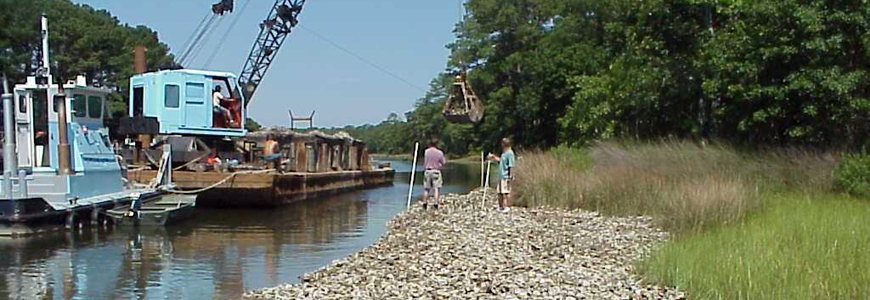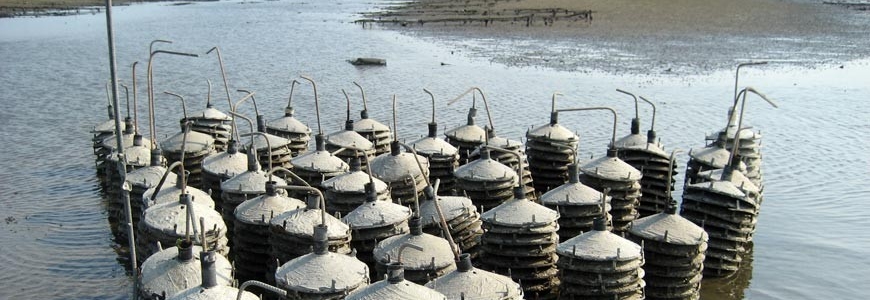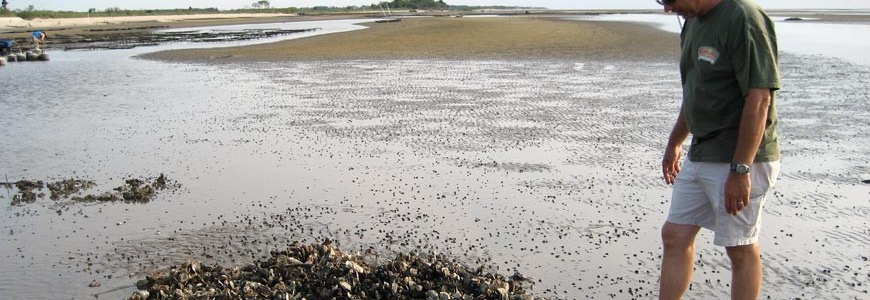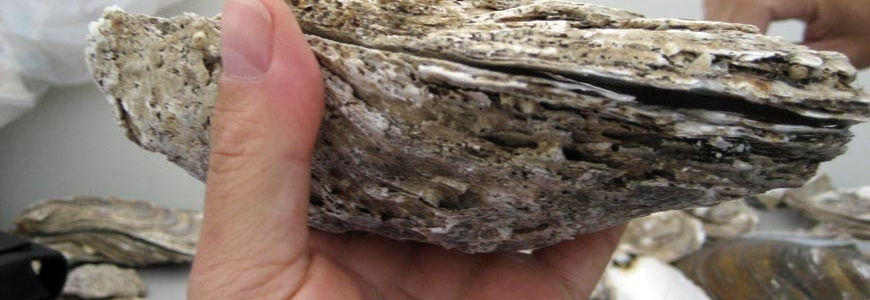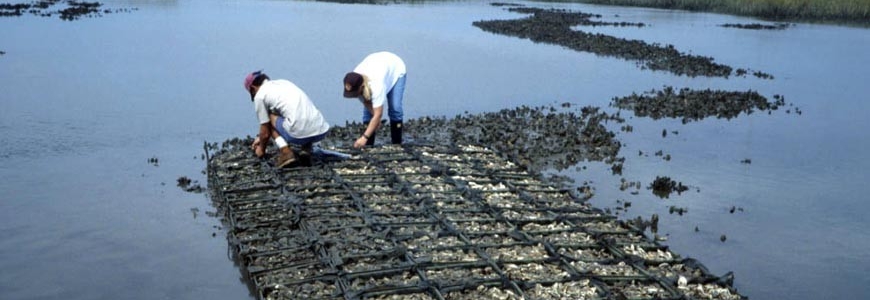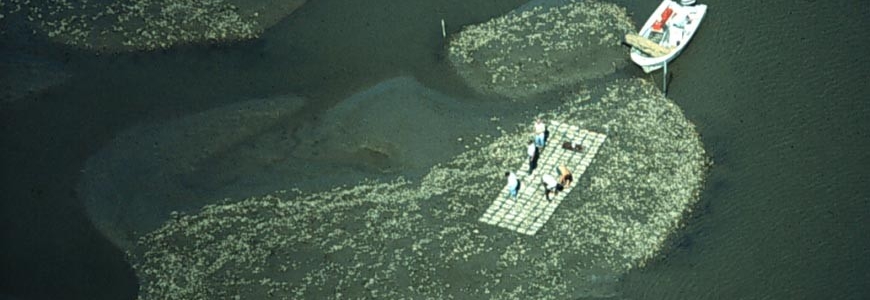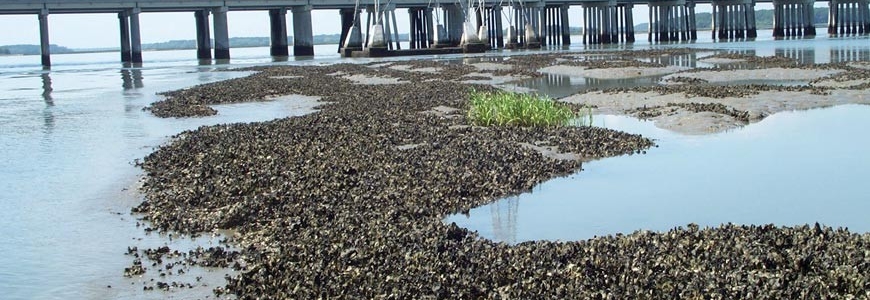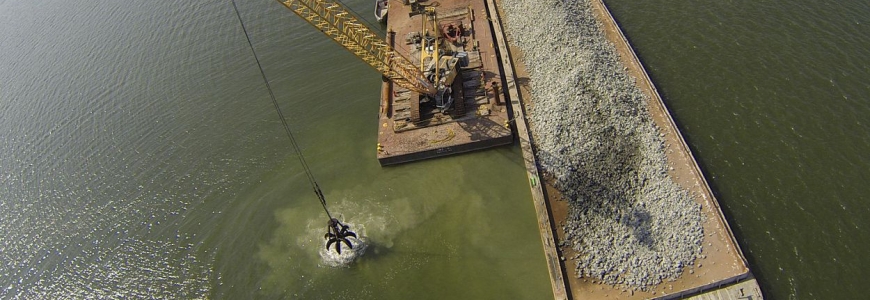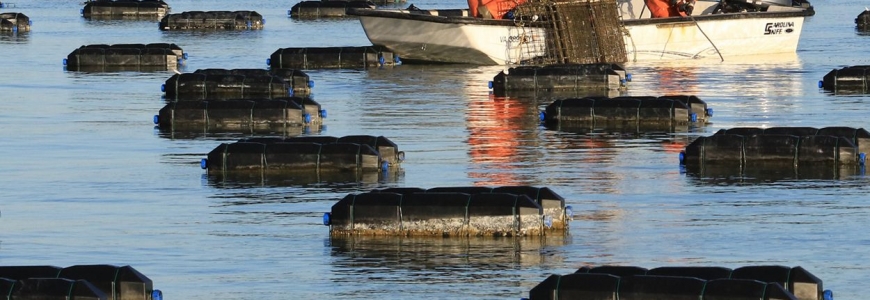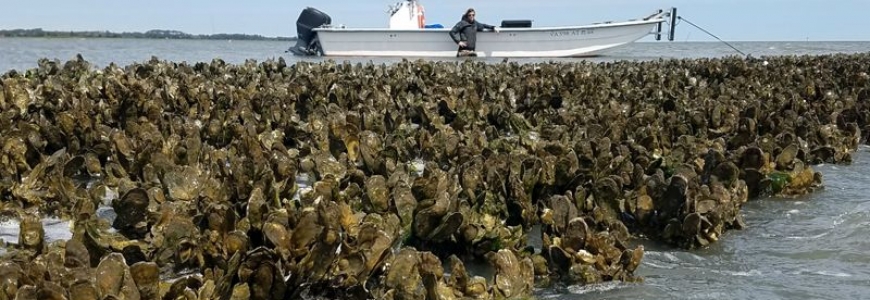
In recognition of the importance of oyster reefs to overall coastal ecosystem functions, large- and small-scale restoration of oyster reef habitats is ongoing in most coastal
→
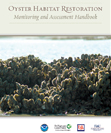 The Handbook developed by a group with experience on issues related to oyster restoration from Atlantic, Pacific, and Gulf of Mexico (U.S.) states is now available. It includes a set of standardized monitoring approaches to quantify oyster restoration-related metrics. Its ultimate goal is to allow for more rigorous comparisons among areas and projects. The monitoring metrics and performance criteria were designed to address both the Eastern oyster, Crassostrea virginica, and more generally the Olympia oyster, Ostrea lurida. For additional information, see the drop-down items under the Restoration Practices menu item at the top of this page. For the pdf click here. For a hard copy contact Boze Hancock (bhancock@TNC.ORG) at TNC.
The citation is: Baggett, L.P., S.P. Powers, R. Brumbaugh, L.D. Coen, B. DeAngelis, J. Greene, B. Hancock, and S. Morlock, 2014. Oyster habitat restoration monitoring and assessment handbook. The Nature Conservancy, Arlington, VA, USA, 96pp.
The Handbook developed by a group with experience on issues related to oyster restoration from Atlantic, Pacific, and Gulf of Mexico (U.S.) states is now available. It includes a set of standardized monitoring approaches to quantify oyster restoration-related metrics. Its ultimate goal is to allow for more rigorous comparisons among areas and projects. The monitoring metrics and performance criteria were designed to address both the Eastern oyster, Crassostrea virginica, and more generally the Olympia oyster, Ostrea lurida. For additional information, see the drop-down items under the Restoration Practices menu item at the top of this page. For the pdf click here. For a hard copy contact Boze Hancock (bhancock@TNC.ORG) at TNC.
The citation is: Baggett, L.P., S.P. Powers, R. Brumbaugh, L.D. Coen, B. DeAngelis, J. Greene, B. Hancock, and S. Morlock, 2014. Oyster habitat restoration monitoring and assessment handbook. The Nature Conservancy, Arlington, VA, USA, 96pp.The 52nd Benthic Ecology Meeting (BEM 2024) will take place on April 10-14, 2024 in Charleston, SC, USA. Meeting website (see https://bem.disl.edu/bem2024.htm). For Program see (https://bem.disl.edu/program.html).
116th Annual NSA Meeting will take place on March 17-21, 2024 in Charlotte, NC, USA (see https://www.shellfish.org/annual-meeting).
3–7 November, 2019, Mobile Convention Center, Mobile, AL (see http://www.erf.org/cerf-biennial-conference with updates)
The Native Oyster Restoration Alliance (NORA), the European network for the restoration of native oyster (Ostrea edulis) reefs, held its 5th conference in November 6th–8th November, 2023.
72nd Annual Shellfish Conference & Tradeshow, Sep 18, 2018 – Sep 20, 2018, Semiahmoo Resort, 9565 Semiahmoo Pkwy, Blaine, WA (see http://pcsga.org/annual-conferences/).
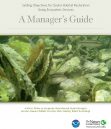 This guide is intended to assist natural resource managers and restoration practitioners in making the case for oyster restoration and in setting quantitative objectives for restoring and managing oyster reefs and beds at an estuary or bay-wide scale. Determining the area of oyster restoration required has numerous applications. Ultimately the objective for oyster reef restoration should be considered with ecosystem services to develop an ecosystem-based plan on a system-wide scale.
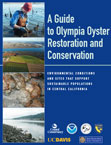 Identifies key environmental conditions affecting Olympia oysters (Ostrea lurida) in central California. Hard substrate, food, and relatively warm water temperatures were identified as important factors supporting sustainable oyster populations.